

Let Google Ads Drive your Brand forward this Black Friday

SEO is an important tool for any business looking to grow its online presence. By optimising your website and its content, you can improve your ranking in search results pages, helping you to attract more organic traffic. Learning What is SEO will help you, but it’s also important to learn How it works and How to get it done! This, in turn, can lead to increased conversions, visibility for your brand and relationships with existing and potential customers.

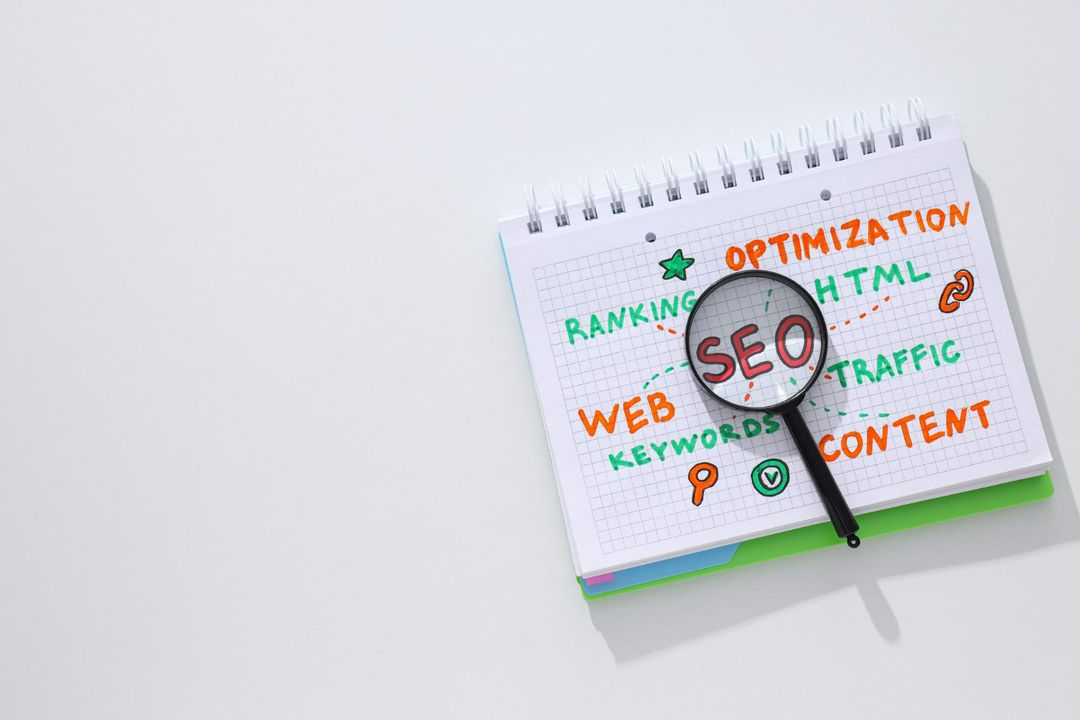
SEO is short for “search engine optimisation.” It is the process of improving the ranking of a website on search engines like Google, Yahoo and Bing.
The higher the ranking, the more likely people are to find the website. The main goal of SEO is to get more traffic from organic (unpaid) search results.
However, SEO can also help improve other aspects of your website, such as conversion rate and user experience. When you type a query into a search engine like Google, it looks through all of its indexed websites and ranks them based on relevance to your query.
Relevance is determined by many factors including things like keywords (the words you typed into the search bar), backlinks (links from other websites pointing to yours) and page structure. Achieving high rankings isn't easy. It takes time, effort and ongoing vigilance. However, businesses that invest in SEO can reap long term benefits including increased web traffic, leads sales and brand awareness.
Key Takeaway: SEO is a process that can help improve a website's ranking on search engines.
As a business owner, you may be wondering if investing in SEO is worth it. After all, there are so many other marketing channels out there vying for your attention and budget.
“There are over 99,000 searches every second. That’s more than 8,6 billion searches per day. If you are searching for the products or services you sell and you do not see your business’ website on Google’s search results, you need a good SEO partner”
Noor Sheriff, Founder @ leansearch.com
But what sets SEO apart from the rest is its ability to drive long-term results that continue to pay off month after month, year after year.
Here are just some of the benefits of SEO for businesses:
Organic search traffic has been proven time and again to generate leads at a higher rate than other sources such as social media or paid advertising.
This is because people who find your website through a search engine are already interested in what you have to offer – they’re simply looking for more information about it before making a purchase decision.
Higher conversion rates mean more customers and revenue for your business!
In today’s digital world, trust is everything. Users are bombarded with ads and sponsored content from companies trying to sell them something at every turn, so it’s no wonder they can be hesitant when it comes to trusting brands online.
Search engine optimisation helps build trust by improving the visibility of your website in search results pages (SERPs).
When users see your site appearing prominently in SERPS alongside well-known companies like Amazon or Walmart, they automatically perceive you as being more credible than those without any rankings at all.
This trust can then lead to increased traffic and conversions as users are more likely to take the next step and visit your site or make a purchase.
If two businesses offer similar products or services, chances are that the one with the better SEO will get more visibility in search engine results pages – and ultimately, more customers.
This is because searchers usually click on one of the first few results they see, so being high up in SERPs give you a major advantage over those lower down.
Of course, this doesn’t mean that you can simply ignore all other marketing channels – SEO should be just one part of your overall marketing strategy. But if you want to stay ahead of the competition, investing in SEO is essential.
These are just some of the benefits of SEO for businesses. As you can see, there’s really no reason not to invest in it!
Not only does it have the potential to drive long-term results, but it also builds trust with users and gives you an edge over competitors.
So what are you waiting for?
Start optimising your website today!
Key Takeaway: SEO builds trust, drives conversions and gives you an edge over the competition.
1. You Don't Need to Worry About SEO If You Have a Good Product/Service.
FALSE:
A common misconception is that as long as you have a great product or service, people will find your website and buy from you without any help from search engine optimisation. Unfortunately, this just isn't the case.
In today's digital world, customers are using search engines like Google to find products and services they're interested in – and if your website doesn't show up in search results, potential customers will never even know you exist!
2. Search Engine Rankings Are Everything When It Comes to SEO Success.
FALSE:
It's true that ranking well on SERPs (search engine results pages) is important for driving traffic to your website... But it's not the only thing that matters!
Even if your site does rank 1 for every relevant keyword out there, that won't do much good if visitors immediately leave once they land on your page because of poor content or a frustrating user experience.
That's why focus should be placed on creating quality websites with valuable content – not just getting lots of links pointing back to them!
3. SEO Is All About Keywords.
FALSE:
Another common myth is that the only thing you need to focus on when it comes to SEO is cramming in as many relevant keywords into your website's content as possible.
However, search engines have come a long way since the early days of keyword stuffing, and now they actually penalise websites that engage in this practice!
Instead, focus on creating quality content that naturally incorporates relevant keywords – Google will thank you for it (and so will your visitors).
4. You Can Do SEO Yourself.
TRUE & FALSE:
This one depends on how much time and effort you're willing to put into learning about best practices and keeping up with the latest trends.
If you're happy to invest the time required for self-education, then yes – technically speaking, anyone can do their own SEO...
But whether or not DIY efforts are successful largely depends on each individual case. Weigh out whether outsourcing these services would be more beneficial before taking things into your own hands!
SEO doesn't have to be complicated or overwhelming – by debunking some of these myths floating around out there, hopefully we've made it seem a little less daunting!
Just remember to focus on producing high-quality content and providing an excellent user experience above all else; everything else will fall into place if those two pillars are taken care of first.
Key Takeaway: SEO is important for driving traffic to your website, but it's not the only thing that matters. Creating quality content and providing a good user experience are also key.
SEO can be a tricky business, but there are some tried and true methods for achieving success.
Here are four tips that will help you get the most out of your SEO efforts:
Search Engine Optimisation (SEO) is the practice of improving the ranking of a website on search engines. The higher the ranking, the more likely people are to find the website.
There are many factors that contribute to a website’s ranking, including the quality and quantity of its content, how often it is updated and how popular it is with other users.
SEO practitioners use techniques such as keyword research and link building to improve their site’s visibility on search engines.
SEO is the process of optimising a website for Google search with the goal of earning higher web traffic levels and improving the visibility of the site.
This type of optimisation focuses on optimising individual pages in order to rank higher in search engine results. This includes things like choosing the right keywords and phrases to use, as well as making sure that your website is easy for search engines to understand and crawl.
This type of optimisation looks at factors outside of your website that can influence your ranking in search engine results. Things like link building, social media signals and local listings all play a role in off-page SEO.
Technical SEO covers the more technical aspects of how a website is built and structured. Making sure that your site loads quickly, has no broken links or errors and is mobile friendly are all important elements of technical SEO.
The time it takes to see results from SEO can vary greatly depending on the competitiveness of your industry, the current state of your website and how much effort you put into your SEO strategy. Generally, it can take anywhere from three to six months to start seeing significant improvements in your search engine rankings. We have had results show up within 3 months after having worked on a website for 4 months prior to its launch.
While it's possible to learn and implement SEO strategies on your own, hiring an SEO company can be beneficial, especially if you lack the time or expertise to do it yourself. An expert can provide valuable insights, stay updated with the latest SEO trends and help you avoid common pitfalls.
SEO is an ongoing process. Search engine algorithms change frequently and competitors are always trying to improve their rankings as well. To maintain and improve your search engine rankings, you need to continually update and optimise your website.
No, no one can guarantee a #1 ranking on Google. SEO can significantly improve your chances of ranking higher, but search engine algorithms are complex and influenced by many factors. It's best to be wary of anyone who promises guaranteed rankings.
SEO (Search Engine Optimisation) involves optimising your website to improve its organic search rankings, which can drive free traffic to your site. PPC (Pay-Per-Click) is a type of online advertising where you pay each time someone clicks on your ad. Both strategies have their advantages and can be used together to maximise visibility and traffic.
Search engines use complex algorithms to determine the relevance of a website. Factors include keyword usage, website structure, page load speed, mobile-friendliness, backlinks from other reputable sites and user engagement metrics like time on site and bounce rate.
Keywords are a fundamental part of SEO. They are the terms and phrases that users type into search engines. By researching and using relevant keywords in your content, you can help search engines understand what your page is about and improve your chances of ranking for those terms.
Backlinks are extremely important in SEO. They act as votes of confidence from other websites. When reputable sites link to your content, it signals to search engines that your site is trustworthy and authoritative, which can improve your rankings.
While social media signals (likes, shares, comments) are not a direct ranking factor for search engines, having a strong social media presence can indirectly benefit SEO. It can increase brand awareness, drive traffic to your site and create opportunities for backlinks.
Local SEO is the practice of optimising your online presence to attract more business from relevant local searches. It's important for businesses that serve a specific geographic area. Optimising for local SEO can help your business show up in local search results, Google Maps and local business directories.
Some common SEO mistakes include keyword stuffing, using duplicate content, neglecting mobile optimisation, having poor site structure, ignoring user experience and not updating content regularly. Avoiding these mistakes can help improve your site's SEO performance.
SEO is an essential tool for any business looking to grow its online presence. By optimising your website and its content, you can improve your ranking in search results pages, helping you attract more organic traffic. This, in turn, can lead to increased conversions, greater visibility for your brand and stronger relationships with existing and potential customers.
Remember, SEO is not a one-time effort but an ongoing process. Regularly updating your content, staying informed about SEO best practices and continuously refining your strategy are key to maintaining and improving your search engine rankings.
Start optimising your website today and take advantage of the long-term benefits that effective SEO can bring to your business.
CTA: Dedicated SEO Company in Mauritius

